- Producer: Julio Madrid & Andres Quinceno
- Farm: Finca Milan
- Region: Pereira, Risaralda
- Altitude: 1600 MSAL
- Variety: Caturra
- Process: Cultured (Peach & Tropical Fruit) DF Anaerobic Washed
Finca Milan
Julio Cesar Madrid and partner processing specialist Andres Julio Quinceno are a force in the industry to make people think bigger when it comes to coffee flavor. Finca Milan and Finca La Riveria are producing some of the biggest flavors in coffee at the moment. Located in the central foothills of the Andes Mountains within the Risaralda Department, Finca Milan’s young soil is enriched with nutrients from the relatively recent eruptions of nearby volcanoes. The wide thermal range of the microclimate reaches up to 30ºC in the daytime and can drop to 15ºC in the evening, allowing coffee cherries to develop complex and unique flavors. Of Finca Milan’s 250 hectares, 220 grow coffee with a focus on Caturra, Castillo, Pink Bourbon, and Catiope varieties. Julio Cesar Madrid is a third-generation coffee grower, and Finca Milan, a 250-hectare estate, has been in his family for over 40 years. Together with two other farms, Finca Riviera and Finca Buenos Aires, his family’s estates have won multiple awards and championships.
PROCESSING
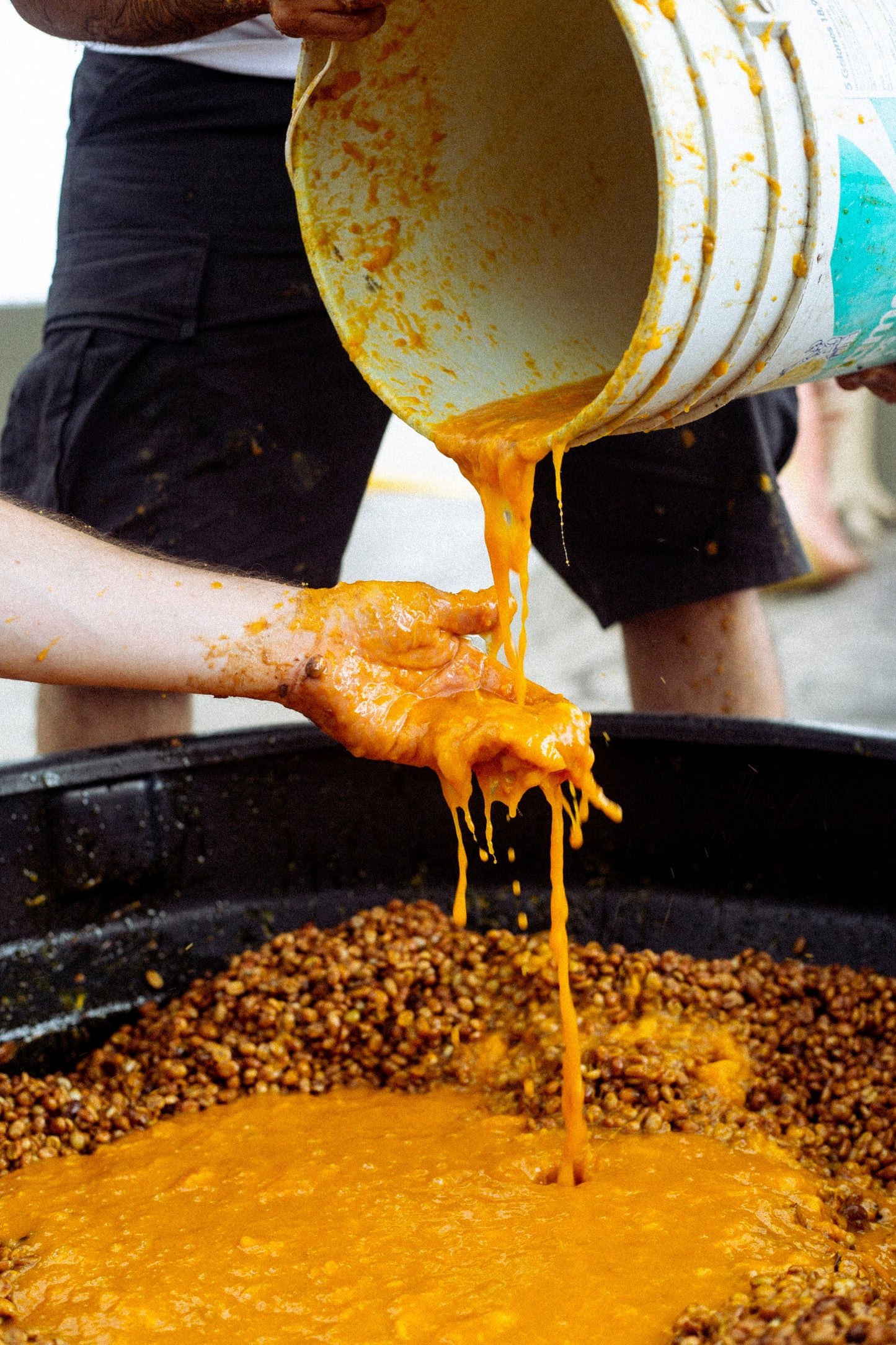
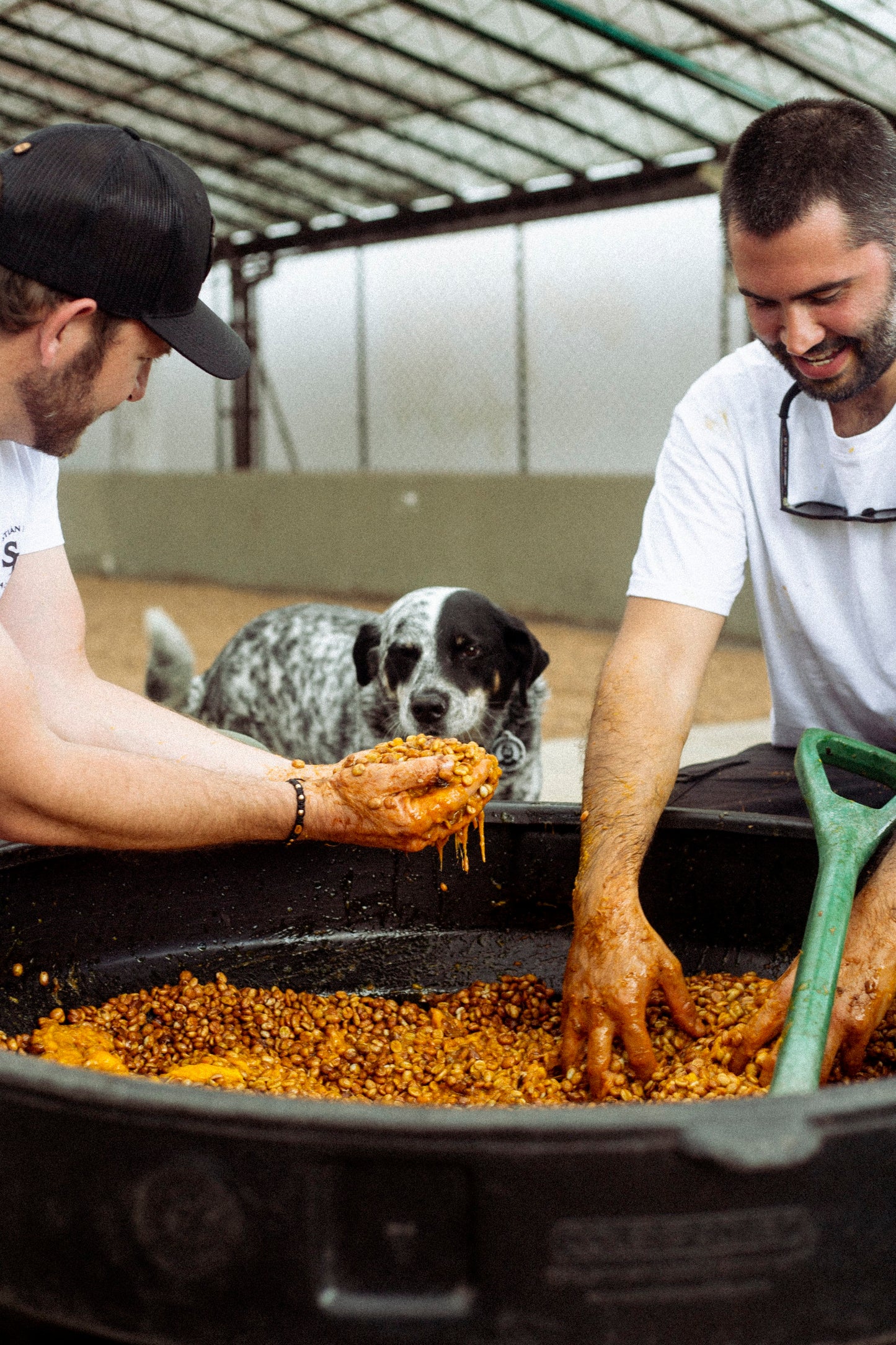
This unique adaptation of anaerobic processing was created by Andres Quinceno himself, and it capitalizes on something called embryonic stress to produce some really unique and exciting flavors. Andres has a unique approach to processing by putting the coffee seeds through different metabolic stages in order to convert carbohydrates into different flavor compounds. Before the main harvest season kicks off, a pre-harvest fungal culture is prepared in their processing lab by mixing depulped coffee cherries with carefully selected fresh fruits. In this case, fresh peaches and other tropical fruits are pureed to provide the necessary enzymatic nutrients for fermentation. Once the harvest begins, ripe coffee cherries are subjected to embryonic stress so that the temperature of the cherries rises and falls to 12 degrees, keeping them in the best condition for further processing. The coffee cherries naturally initiate a metabolic process where the embryo inside the seed begins preparing for germination. This process generates heat and fluid exchange within the cherry due to the embryo’s energy consumption.
To manage this reaction, the cherries are immediately cooled in water tanks at a controlled temperature of 8–10°C (46–50°F). After cooling, they are placed inside sealed bags for 10 to 12 hours, allowing a controlled, gradual rise in temperature. This controlled increase activates the bacteria on the cherries and in the environment, breaking down carbohydrates into sugars. As this microbial activity intensifies, the temperature rises, preparing the cherries for fermentation.
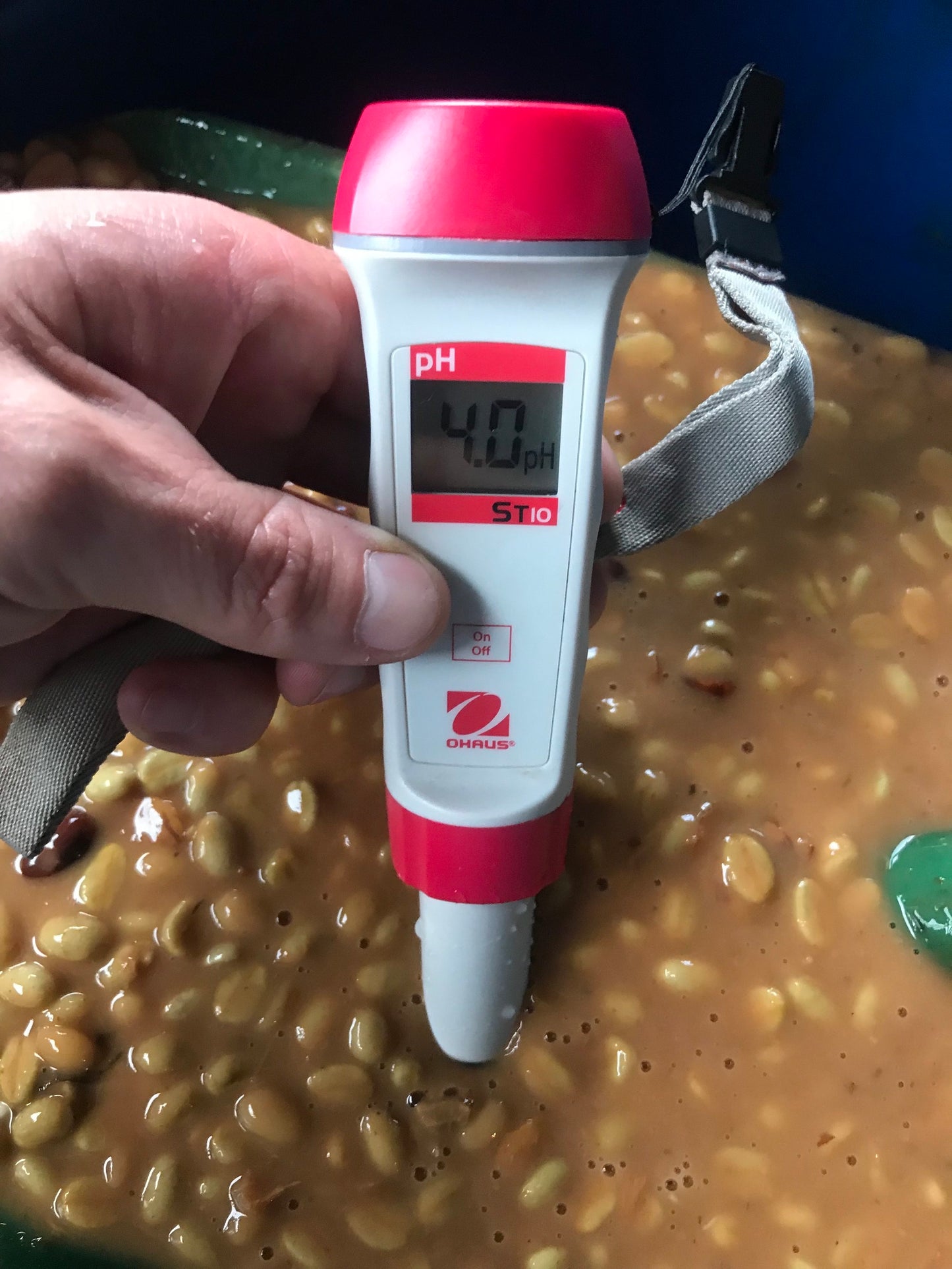
The cherries are then transferred into sealed stainless steel tanks containing a carefully prepared culture of native yeasts and bacteria. The fermentation lasts 6 to 8 days in an oxygen-free environment. During this stage, microbial activity breaks down sugars and other compounds within the cherries, leading to the development of distinct and complex flavors.
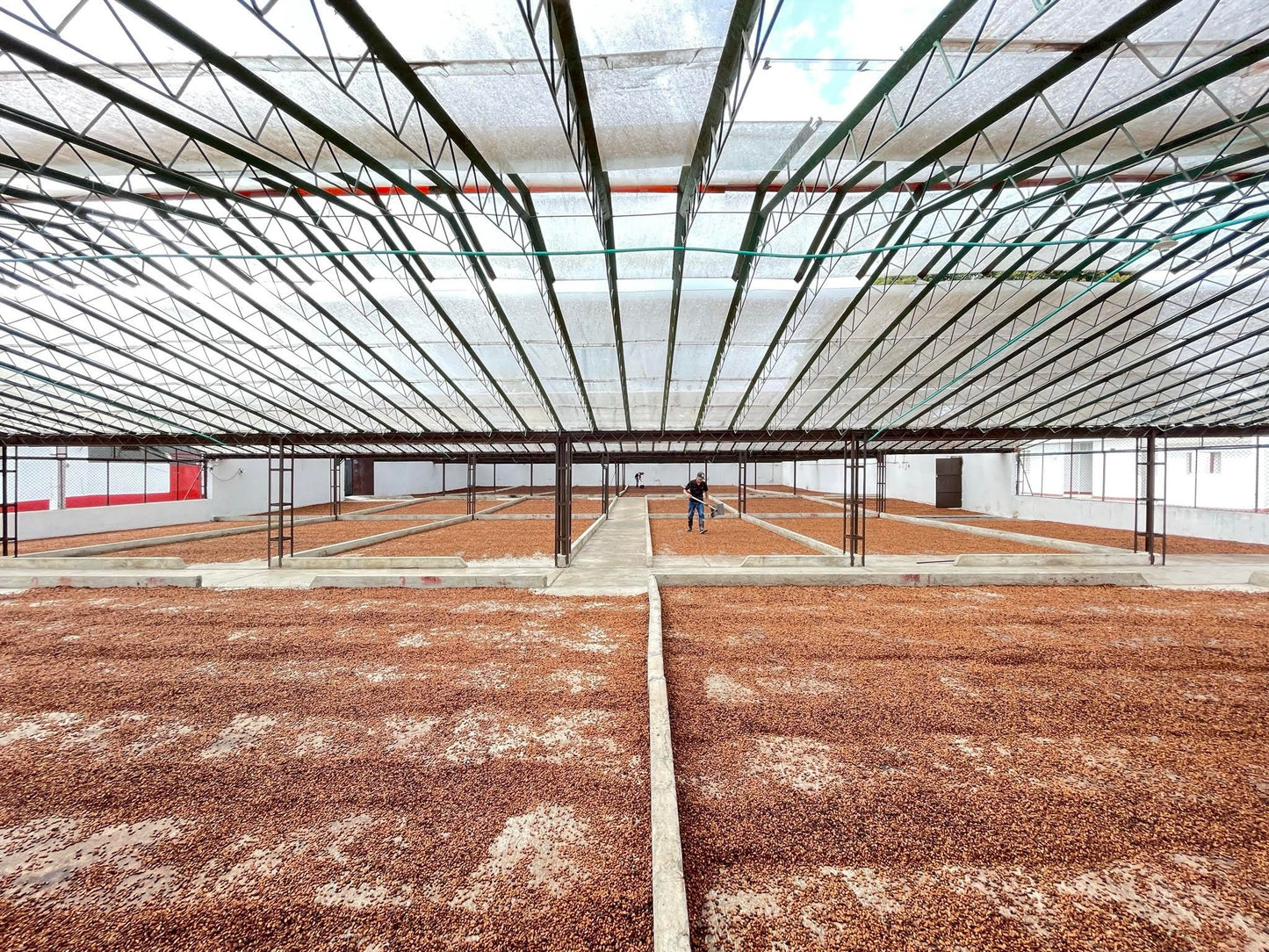
Once fermentation is complete, the cherries are depulped, removing the outer fruit layer while retaining the mucilage. The coffee is then sun-dried for 15 to 20 days on raised African beds, where it is spread into thin layers. This ensures even drying, prevents fungal growth, and maintains optimal airflow for consistent moisture reduction.